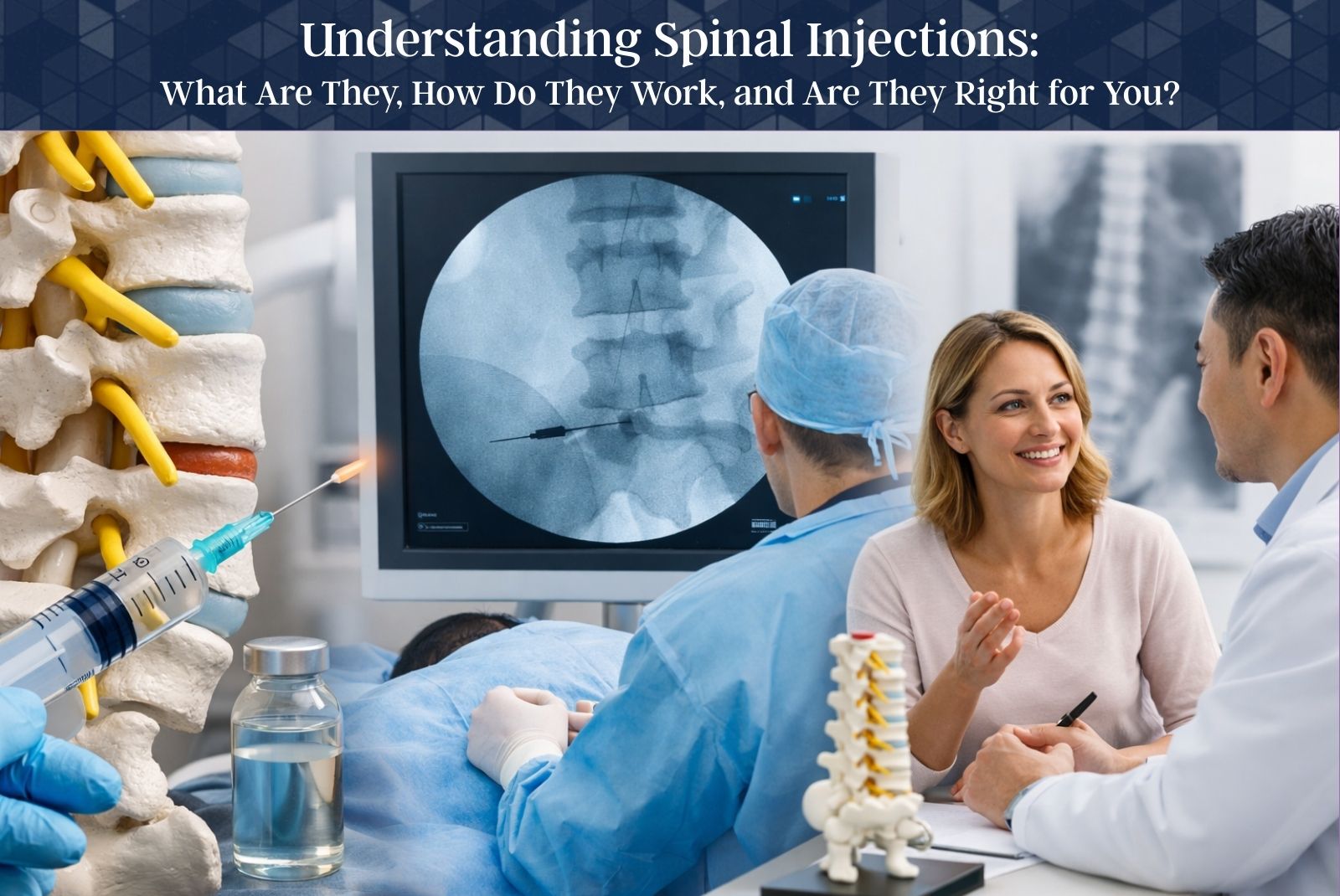
Chronic back and neck pain affects millions of people each year, often interfering with daily activities, sleep, mobility, and overall quality of life. When pain persists despite conservative treatments such as physical therapy, medications, or lifestyle adjustments, spinal injections may offer significant relief—and, for many patients, a path back to normal function.
At Innovation Spine Medical, we specialize in advanced, evidence-based pain management solutions that help patients understand their options and make informed decisions. One of the most common yet misunderstood treatments we offer is spinal injections. This article explains what spinal injections are, how they work, what conditions they treat, and how to determine whether they may be right for you.
What Are Spinal Injections?
Spinal injections are minimally invasive procedures that deliver medication directly into specific areas of the spine. The goal is typically to decrease inflammation, numb irritated nerves, or provide diagnostic information about the source of a patient’s pain.
Most spinal injections fall into one of the following categories:
- Epidural Steroid Injections (ESIs): Reduce inflammation around spinal nerves.
- Facet Joint Injections: Target small joints along the spine responsible for stability and motion.
- Medial Branch Blocks: Temporarily numb nerves that supply the facet joints.
- Radiofrequency Ablation (RFA): Uses heat to interrupt pain signals from targeted nerves.
- Sacroiliac (SI) Joint Injections: Address pain stemming from the SI joint, located at the base of the spine.
Because these procedures are image-guided—usually with fluoroscopy (X-ray) or ultrasound—they are precise, safe, and highly effective for the right candidates.
How Do Spinal Injections Work?
Spinal injections work by reducing inflammation, numbing irritated nerves, or interrupting pain signaling pathways. Depending on the procedure, medications used may include:
1. Corticosteroids
These powerful anti-inflammatory medications decrease swelling around irritated nerves or joints, often providing weeks to months of pain relief.
2. Local Anesthetics
Numbing agents such as lidocaine or bupivacaine offer immediate relief and help pinpoint the exact source of pain.
3. Regenerative or Biologic Treatments
Some injections may involve platelet-rich plasma (PRP) or other biologic therapies to stimulate healing (availability varies).
4. Targeted Nerve Treatments
Procedures such as radiofrequency ablation do not use medications but instead disable the small nerves transmitting pain signals.
The type of injection recommended will depend on your symptoms, diagnosis, imaging results, and your response to previous treatments.
Conditions Commonly Treated with Spinal Injections
Spinal injections can help patients with a variety of painful spine conditions, including:
- Herniated or bulging discs
- Sciatica or radiculopathy
- Spinal stenosis
- Degenerative disc disease
- Facet joint arthritis
- Sacroiliac (SI) joint dysfunction
- Chronic neck or low back pain
- Post-surgical spine pain
These procedures are often part of a comprehensive treatment plan that may include physical therapy, exercises, lifestyle changes, and other interventions.
Are Spinal Injections Right for You?
Spinal injections may be beneficial if:
- You experience persistent or severe back, neck, or nerve pain.
- Conservative treatments have failed to provide enough relief.
- You want to delay or avoid surgery when possible.
- You need diagnostic clarity to determine the true source of your pain.
- Pain is interfering with work, sleep, or daily activities.
At Innovation Spine Medical, our specialists conduct a thorough evaluation—including medical history, physical examination, imaging review, and discussion of your goals—to determine whether spinal injections are an appropriate option.
Comprehensive Q&A: Your Spinal Injection Questions Answered
Q: Are spinal injections painful?
Most patients experience only mild pressure or discomfort. Local anesthesia is used to numb the skin, and the procedure is quick—usually just a few minutes.
Q: How long do results last?
Relief can last anywhere from several weeks to over a year, depending on the condition treated, the type of injection, and how your body responds.
Q: How soon will I feel better?
Numbing medication may provide immediate relief. Steroids take 2–5 days to begin reducing inflammation, with maximum benefit around 1–2 weeks.
Q: Are spinal injections safe?
Yes. When performed by trained specialists using image guidance, spinal injections are considered very safe. Temporary soreness or mild side effects may occur, but serious complications are rare.
Q: How many injections can I receive?
Most patients receive up to 3 steroid injections per year in a specific region of the spine, but treatment plans vary depending on individual needs and conditions.
Q: Will spinal injections cure my pain?
Injections help manage inflammation and pain but may not cure the underlying structural issue. They are often part of a broader strategy to improve mobility, enable rehabilitation, and delay or avoid surgery.
Q: Who should avoid spinal injections?
Patients with uncontrolled diabetes, active infections, bleeding disorders, or certain medical conditions may not be candidates. Your physician will review your medical history to ensure safety.
Contact Information
Innovation Spine Medical
📍 9701 66th Ave, Rego Park, NY 11374
📞 Phone: (718) 275-5200
🌐 Website: innovationspineny.com
🗓️ Appointments: https://innovationspineny.com/appointments