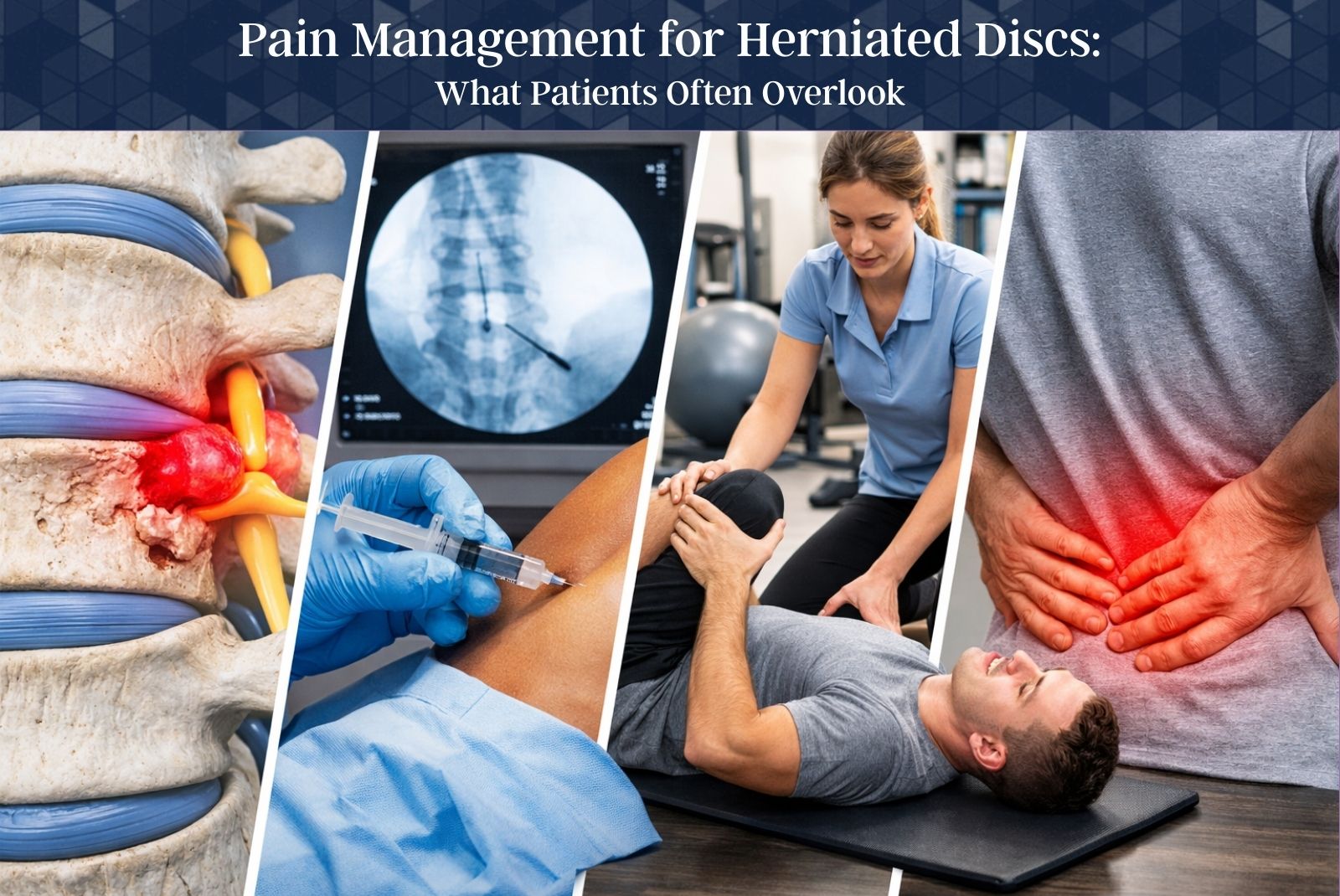
Herniated discs are one of the most common causes of chronic back and neck pain, yet many patients misunderstand the condition or overlook crucial aspects of effective pain management. At Innovation Spine Medical, we aim to empower patients with clear, medically grounded information so they can make informed decisions about their health—especially when navigating something as disruptive and persistent as disc-related pain.
While a herniated disc can be alarming, modern pain-management strategies are highly effective, minimally invasive, and more personalized than ever before. However, the success of these treatments often hinges on factors patients commonly underestimate.
In this article, we break down what herniated disc patients tend to miss—and how addressing these details can significantly improve outcomes.
Understanding Herniated Discs: The Basics Patients Often Miss
A herniated disc occurs when the soft, gel-like center of a spinal disc pushes through a tear in the tougher exterior layer. This protrusion can irritate surrounding nerves, leading to pain, tingling, or weakness.
What Patients Commonly Overlook:
1. Pain Isn’t Always at the Site of the Herniation
Many patients assume the pain should be located exactly where the disc is damaged. In reality, nerve pathways can cause pain to radiate into the legs, arms, hips, or shoulders. Misunderstanding this can delay proper diagnosis.
2. Herniated Discs Don’t Always Require Surgery
A surprising number of patients believe surgery is inevitable. Most cases improve significantly with conservative or minimally invasive treatments such as epidural injections, nerve blocks, or personalized physical therapy.
3. Inflammation Plays a Bigger Role Than Patients Realize
Nerve irritation from inflammation—not just the disc material itself—is often what causes the most discomfort. This makes targeted anti-inflammatory treatments essential.
4. Lifestyle Adjustments Are Part of Treatment, Not Just Aftercare
Ergonomics, posture training, core-strengthening exercises, and weight management can make pain treatments far more effective and prevent recurrence.
Overlooked Pain-Management Strategies for Herniated Discs
1. Image-Guided Interventional Procedures
Precision matters. Procedures like epidural steroid injections, facet joint injections, and medial branch blocks become significantly more effective when performed under real-time imaging guidance.
2. Early Physical Therapy—Not Just Post-Treatment Rehab
Many patients wait until after their pain decreases to begin physical therapy. Starting early, under the guidance of a specialist, can help stabilize the spine and reduce long-term reliance on medication.
3. Regenerative Medicine Options
Emerging treatments such as PRP (platelet-rich plasma) or biologic therapies can support healing in select patients—something many are unaware of.
4. Understanding Pain Signals vs. Damage Signals
Severe pain doesn’t always mean severe spinal damage. Learning to interpret pain cues helps patients avoid unnecessary fear and make better treatment choices.
Q&A: What Patients Often Ask About Herniated Disc Pain Management
Q1: How do I know if my back pain is from a herniated disc?
Symptoms may include shooting leg pain (sciatica), numbness, tingling, weakness, or pain that worsens with certain movements. Only imaging, such as MRI, can confirm a diagnosis.
Q2: Can a herniated disc heal on its own?
Yes—many herniated discs improve naturally over time as inflammation subsides. However, pain-management treatments can significantly speed up recovery and improve mobility.
Q3: When should I consider interventional pain treatments?
If pain has lasted more than a few weeks, is worsening, or is limiting daily activities, minimally invasive treatments can help. These procedures reduce inflammation and nerve irritation, often providing rapid relief.
Q4: Are injections safe?
When performed by experienced, board-certified specialists using imaging guidance, spinal injections are safe, precise, and effective for managing inflammation and nerve pain.
Q5: Will I eventually need surgery?
Most patients do not require surgery. Pain management, physical therapy, lifestyle adjustments, and targeted injections provide long-term relief for the majority.
Q6: What can I do at home to support recovery?
- Maintain proper posture
- Incorporate gentle stretching
- Use ergonomic chairs or lumbar support
- Avoid prolonged sitting
- Follow your specialist’s exercise plan
Q7: How long does recovery usually take?
Recovery varies, but many patients experience significant improvement within weeks, especially when using a combination of interventional treatment and rehabilitative care.
Q8: Can herniated discs come back?
Yes, especially if underlying issues—such as poor posture, weak core muscles, or heavy lifting—aren’t addressed. Your provider will help you develop a prevention strategy tailored to your lifestyle.
Why Choose Innovation Spine Medical?
At Innovation Spine Medical, we specialize in advanced, minimally invasive pain-management solutions backed by cutting-edge technology and personalized care. Our board-certified specialists create custom treatment plans designed to reduce pain, improve mobility, and restore quality of life—without unnecessary surgery or long recovery times.
Whether you’re managing acute pain or dealing with chronic discomfort, our team is dedicated to helping you feel better, move better, and live better.
Contact Information
Innovation Spine Medical
9701 66th Ave
Rego Park, NY 11374
Phone: (718) 275-5200
Website: innovationspineny.com
Appointments: https://innovationspineny.com/appointments